The Story of Csikágó
A sinful city, a fast-paced city, or a snapshot of a developing metropolis?
The “Hungarian Chicago”
When people hear the name Chicago, many immediately think of crime and gangsters. Yet the American city’s history is far more complex – and the Budapest parallel wasn’t born primarily out of crime either. Part of the 7th District came to be called “Csikágó” because it was built up as astonishingly fast as its American namesake. Later, of course, poverty and crime appeared here too, and literature amplified its reputation, so in the public mind the name soon stuck as that of a “sinful neighborhood”.
Today many people call the Erzsébetváros neighborhood behind Keleti Railway Station the “Hungarian Chicago” – often together with the legend of its criminal past. Originally, however, the name referred not to the underworld but to Budapest’s astonishingly rapid development.
1898
A neighborhood built in two years
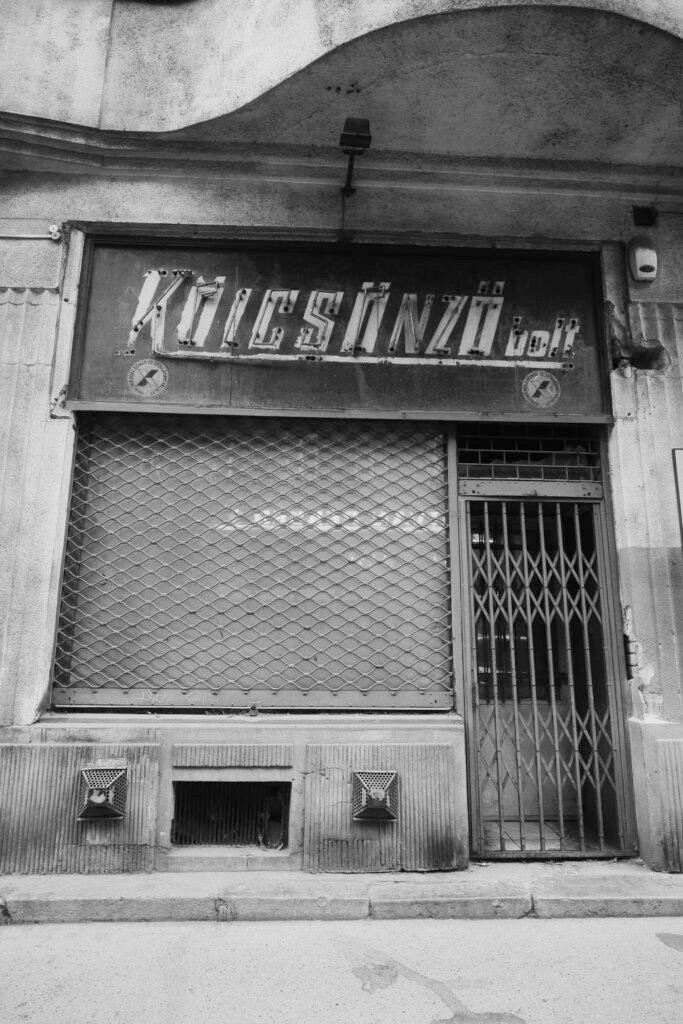
At the end of the 19th century, during the millennium construction works, crowds of people came to the city to work. The projects around City Park needed housing, so the cabbage fields on the outer edge of Erzsébetváros, behind Keleti Station, were quickly parceled out. The new neighborhood went up in just two years, and by 1898 densely built tenement houses with open galleries stood in the area now bounded by Rottenbiller, Damjanich, Dózsa György and Thököly streets.
Gallery Tenements and Bed Lodgers
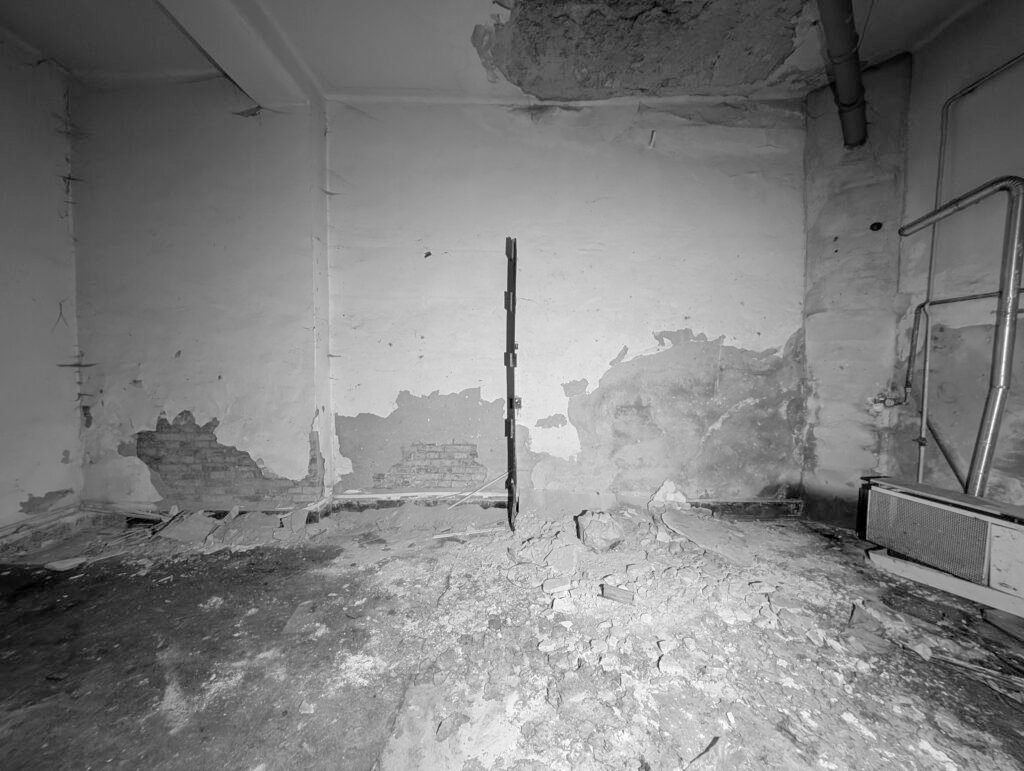
The regular street grid and the look-alike tenement houses were built with engineering precision – hence the name “Csikágó”, a nod to the fast-growing American metropolis. But the neighborhood soon became a symbol of urban poverty: one-room-and-kitchen apartments often housed 4–5 workers, many of them bed lodgers who rented a bed in shifts.
Sinful Csikágó in Literature
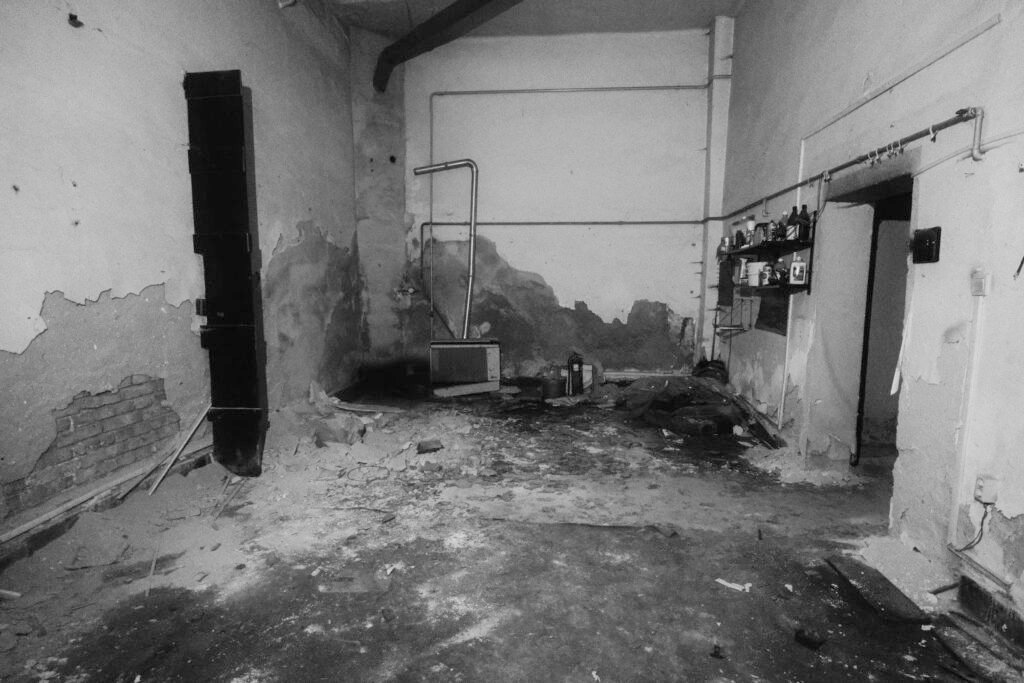
The image of “sinful Csikágó” was partly reinforced by literature. In his short story Jobb mint otthon (Better Than Home), Zsigmond Móricz mentions the notorious Pest neighborhood in the context of the wild working-class districts of the early 20th century. His writings revealed the social contradictions of the era – rapid urbanization, poverty and life on the margins – for which the name Csikágó soon became a symbolic backdrop.
Legend and Reality
So the legend is partly true and partly a misunderstanding: the “Hungarian Chicago” was both a product of Budapest’s explosive growth and one of the best-known scenes of the dark side of metropolitan modernization.